-
Mon - Sat: 10:00am - 6:30pm
-
Medhavi, Lokhandwala Complex, Andheri West

Physiotherapy Treatments
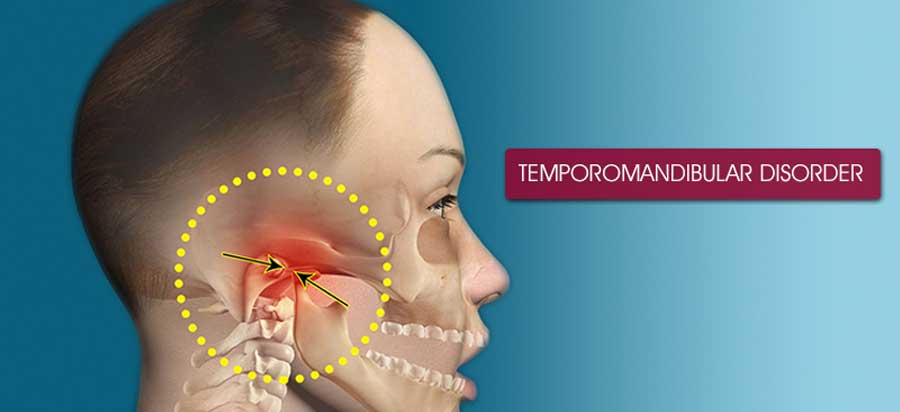
TMJ Joint Dysfunction
Temporomandibular Joint (TMJ) Dysfunction is a condition in which the jaw joint and surrounding muscles do not function properly. It can cause jaw pain, difficulty opening or closing the mouth, clicking sounds, headaches, and neck pain. Physiotherapy helps restore normal TMJ movement and reduces pain.
Symptoms of TMJ Dysfunction
-
Pain or tenderness near the jaw joint
-
Clicking or popping sounds when opening or closing the mouth
-
Discomfort while chewing or speaking
-
Headaches, ear pain, or neck stiffness
Goals of Physiotherapy
-
Reduce jaw pain and muscle tension
-
Restore normal range of motion of the TMJ
-
Relax and strengthen jaw and neck muscles
-
Improve daily activities such as chewing and speaking
Physiotherapy Treatments
1. Pain Relief Techniques
-
Heat Therapy: Relaxes jaw muscles and improves blood flow
-
TENS Therapy: Provides pain relief and muscle relaxation
-
Soft Tissue Release: Releases tight jaw and neck muscles
2. Jaw Mobility and Stretching Exercises
-
Controlled Mouth Opening: Improves jaw movement control
-
Side-to-Side Jaw Movements: Enhances TMJ flexibility
-
Jaw Stretching: Reduces muscle tightness
3. Strengthening and Stabilization Exercises
Once pain is under control:
-
Isometric Jaw Exercises: Improve jaw stability
-
Neck Strengthening: Provides cervical support
-
Postural Exercises: Corrects head and neck alignment
4. Postural Correction and Ergonomic Advice
-
Correcting forward head posture reduces TMJ stress
-
Jaw relaxation techniques during mobile and computer use
5. Patient Education and Habit Correction
-
Avoid teeth clenching and grinding habits
-
Adopt a soft diet and improve chewing habits
Frequency and Duration
-
Physiotherapy sessions 2–3 times per week
-
Daily home exercises are essential for recovery
-
Improvement in pain and jaw function can be seen in 4–8 weeks
