-
Mon - Sat: 10:00am - 6:30pm
-
Medhavi, Lokhandwala Complex, Andheri West

Physiotherapy Treatments
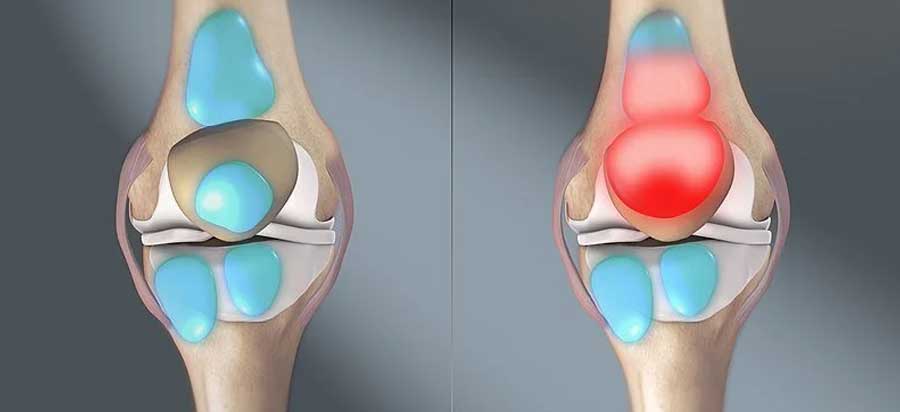
Bursitis
Bursitis is a condition in which small fluid-filled sacs (bursae) around the joints become inflamed. This inflammation causes pain, swelling, and restricted joint movement. Physiotherapy helps relieve pain, improve mobility, and enhance functional performance.
Symptoms of Bursitis
-
Pain and tenderness around the affected joint
-
Swelling and redness
-
Limited range of motion and stiffness
-
Pain during repetitive movements or pressure
Goals of Physiotherapy
-
Reduce pain and inflammation
-
Restore joint mobility and range of motion
-
Strengthen muscles supporting the joint
-
Perform daily and functional activities safely
Physiotherapy Treatments
1. Pain Relief Techniques
-
Ice Therapy: To reduce acute inflammation and pain
-
Heat Therapy: To relax muscles and improve blood flow once the acute stage resolves
-
TENS Therapy: For pain modulation
2. Range of Motion and Stretching Exercises
-
Gentle stretching and pendulum exercises to maintain joint mobility
-
Passive and active-assisted movements of the affected joint (shoulder, hip, elbow, or knee)
3. Strengthening Exercises
After pain is controlled:
-
Strengthen rotator cuff and scapular muscles (for shoulder bursitis)
-
Hip and knee stabilizing exercises (for lower limb bursitis)
-
Gradually increase resistance with TheraBand and light weights
4. Manual Therapy
-
Soft tissue and joint mobilization to reduce stiffness
5. Postural Correction and Functional Training
-
Teach proper posture and joint protection techniques
-
Educate on correct movement patterns for daily and repetitive activities
Frequency and Duration
-
Physiotherapy sessions 2–4 times per week
-
Adherence to a home exercise program is essential for recovery and pain reduction
-
Significant pain relief and functional improvement are usually seen within 4–8 weeks
